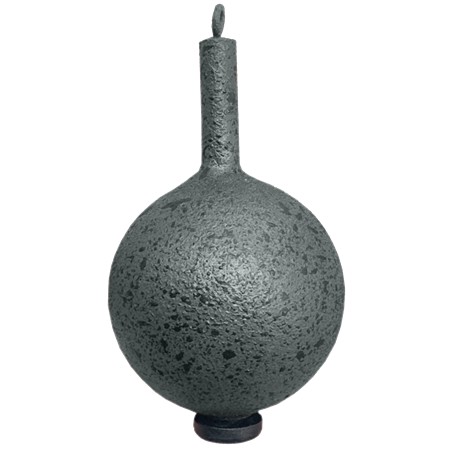
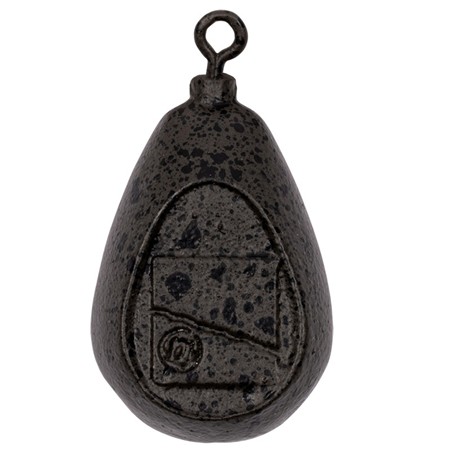
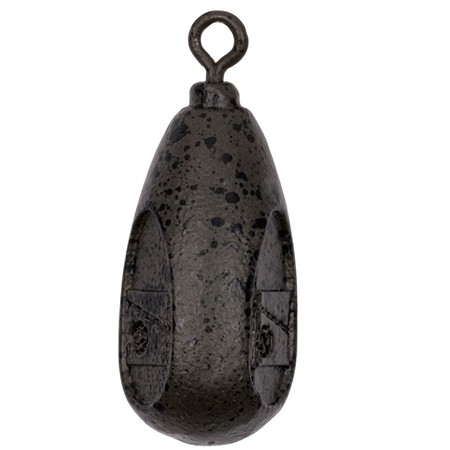
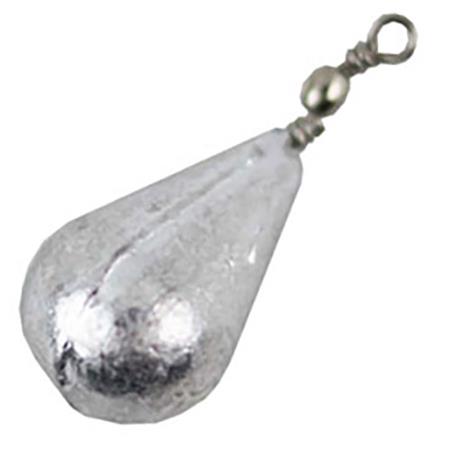
A
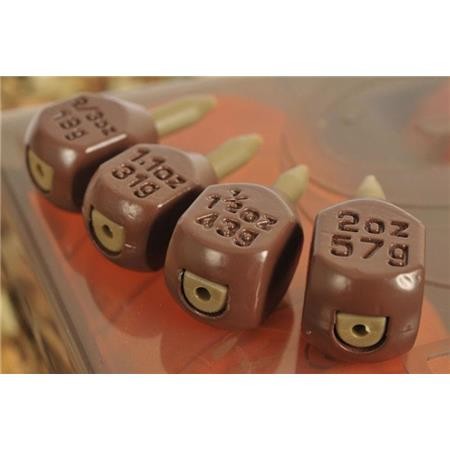
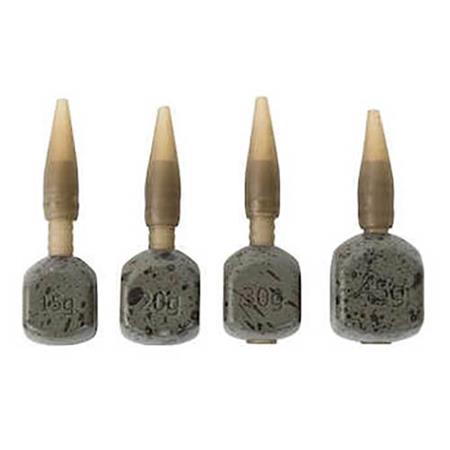
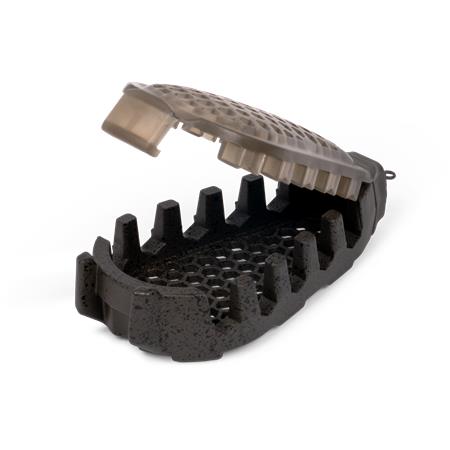
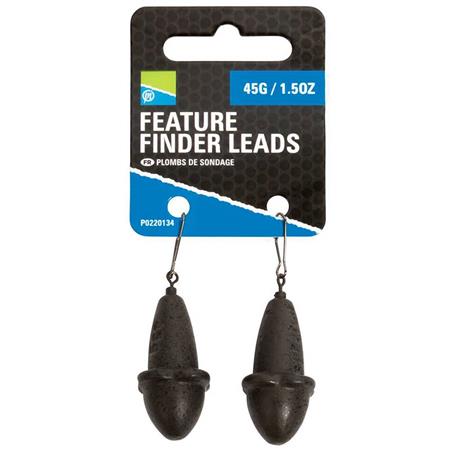
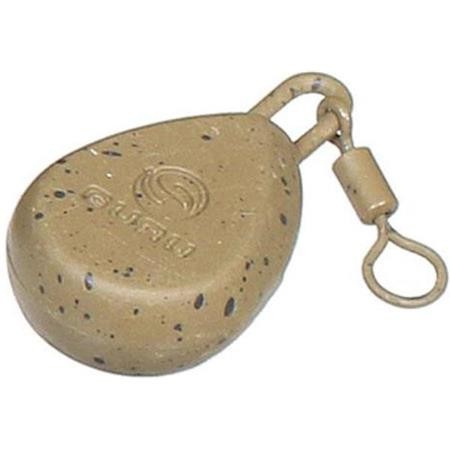
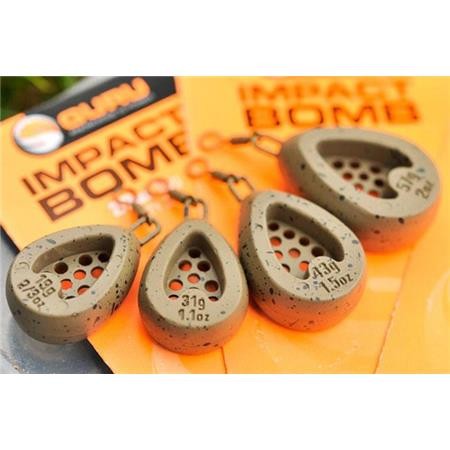
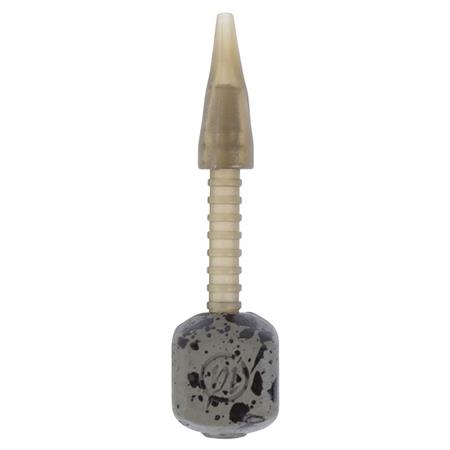
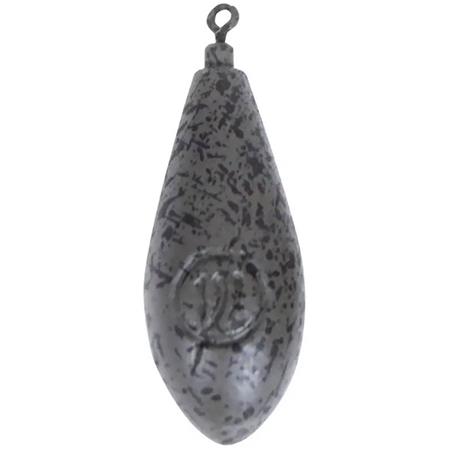
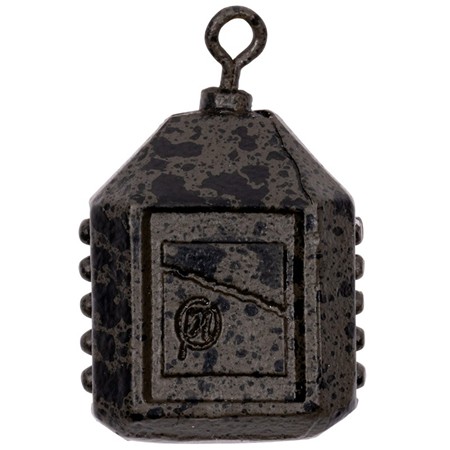
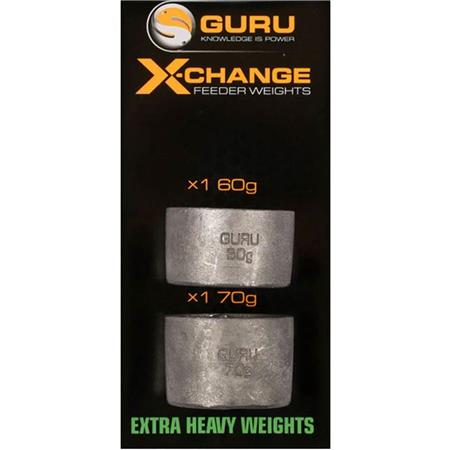
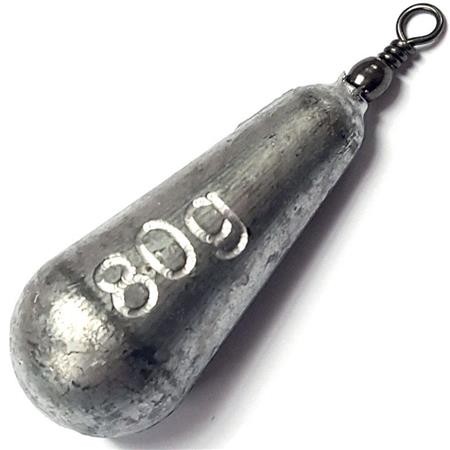
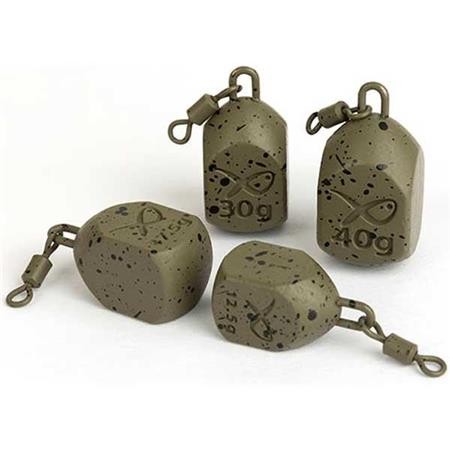
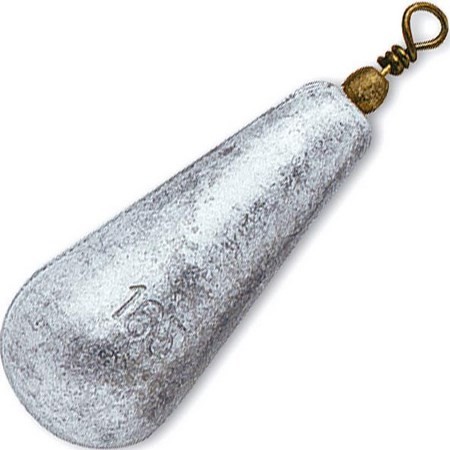
feeder weight is simply a weight designed for feeder rigs: it’s used to ballast, stabilize the line and keep the rig firmly in place. Not to be confused with a feeder cage, because the cage carries the groundbait, whereas the feeder weight contains nothing — it’s only for weight and bottom holding. An angler may choose to fish with a weight instead of a feeder cage for several reasons: cast farther, more discretion, add heavier weight when you don’t have a suitable cage, avoid over‑groundbaiting for example.
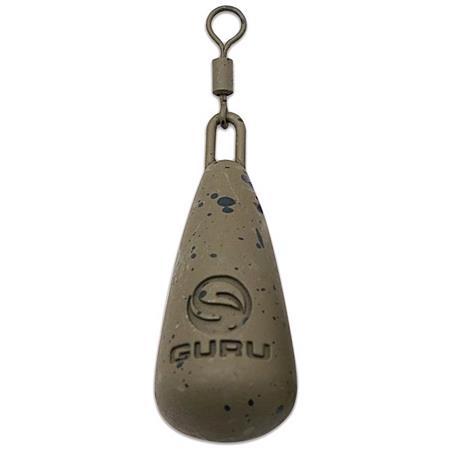
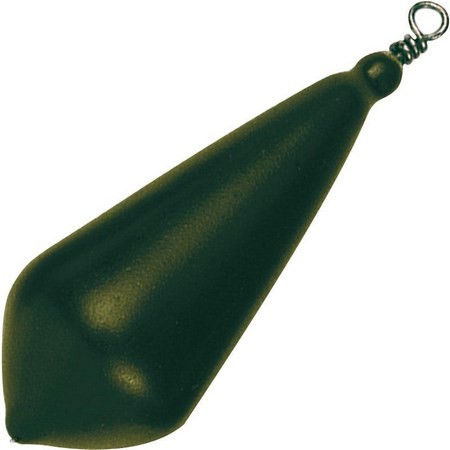
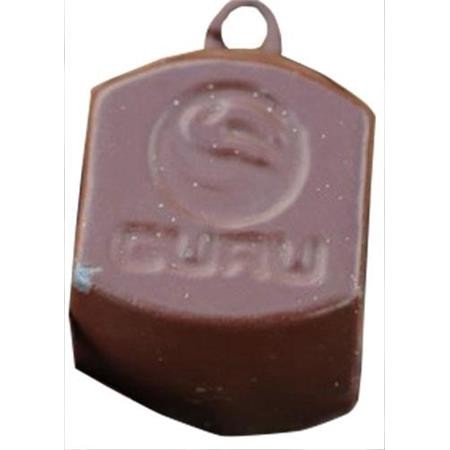
In practice, these weights help you fish more precisely, stay well‑anchored in your spot, and avoid any drift when current or wind picks up. It’s also an excellent choice for those who want a simple, reliable feeder rig that’s easy to adapt to conditions. To choose, the first point is the right weight: the calmer it is, the lighter you can stay; the more motion, the heavier you should go. Then look at the shape: flat models are very appreciated in rivers because they hold bottom better, and also on sloping spots. The more classic pear shapes are very versatile, like the weight known as the “Arlesey,” very well‑known for decades. One brand pays particular attention to this accessory and the
Guru feeder weights are an obvious choice.
Also think about the rest of your gear: the
feeder rod must match the weight used, a well‑chosen
feeder swivel makes the rig easier, and accessories like beads, clips or stops help keep your line clean.



 24h
24h