


Articles
Brands
Categories
 24h
24h
 24h
24h
 24h
24h
 24h
24h
 24h
24h
 24h
24h
 24h
24h
 24h
24h
 24h
24h
 24h
24h
 24h
24h
 24h
24h
 24h
24h
 24h
24h
 24h
24h
 24h
24h
 24h
24h
 24h
24h
 24h
24h
 24h
24h
 24h
24h
 24h
24h
 24h
24h
 24h
24h
 24h
24h
 24h
24h
 24h
24h
 24h
24h
 24h
24h
 24h
24h
 24h
24h
 24h
24h
 24h
24h
 24h
24h
 24h
24h
 24h
24h
 24h
24h
 24h
24h
 24h
24h
 24h
24h
 24h
24h
 24h
24h
 24h
24h
 24h
24h
 24h
24h
 24h
24h
 24h
24h
 24h
24h
 24h
24h
 24h
24h
 24h
24h
 24h
24h
 24h
24h
 24h
24h
 24h
24h
 24h
24h
 24h
24h
 24h
24h
 24h
24h
 24h
24h
 24h
24h
 24h
24h
 24h
24h
 24h
24h
 24h
24h
 24h
24h
 24h
24h
 24h
24h
 24h
24h
 24h
24h
 24h
24h
 24h
24h
 24h
24h
 24h
24h
 24h
24h
 24h
24h
 24h
24h
 24h
24h
 24h
24h
 24h
24h
 24h
24h
 24h
24h
 24h
24h
 24h
24h
 24h
24h
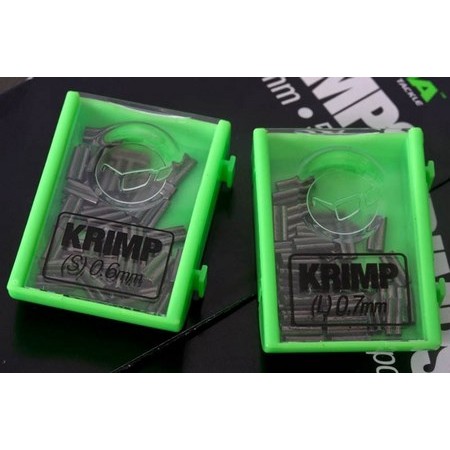
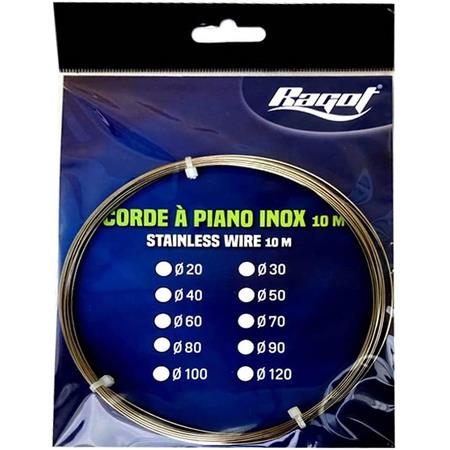
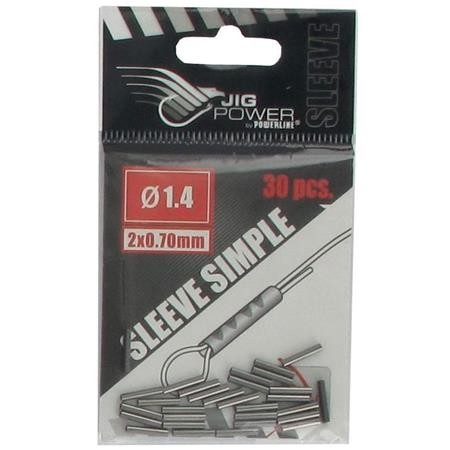
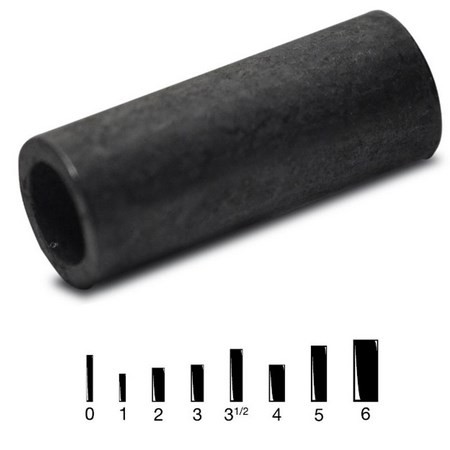
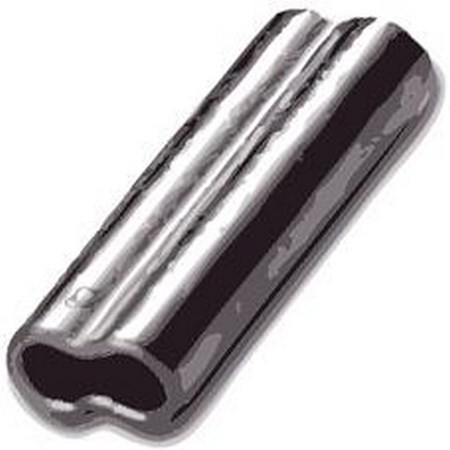
A knot will not hold on a steel cable, and on thick-diameter fluorocarbon it will not tighten properly and weakens the line. So, to make your own hooklengths, use a sleeve: a small metal tube that is crimped around the line, and sleeve pliers, also known as crimping pliers or crimps. The result is a neat loop or connection that will hold up to a pike or a catfish, without relying on the quality of a knot.
Flat-nose pliers crush the sleeve unevenly: it gets flattened on one side, cuts through the strands of the wire, or, conversely, does not grip tightly enough and lets the line slip at the first pull. Sleeve pliers have calibrated grooves, each suited to a particular sleeve diameter, which crush the sleeve evenly across its entire width. Most models have several grooves and a cutting section for neatly cutting wire or fluorocarbon.
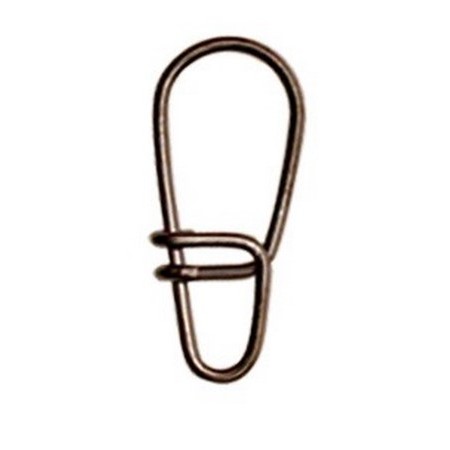
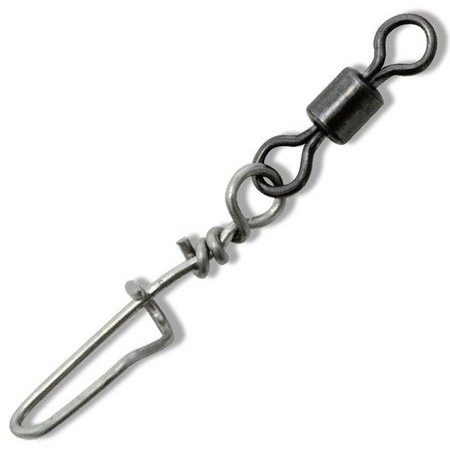
First, choose sleeves to suit the line diameter: if they are too wide, they will not grip; if they are too narrow, the line will not pass through twice. Position the sleeve in the groove that matches its size, never in a smaller groove. Crimp a single sleeve at one or two points, and a double sleeve at two or three points along its length, leaving a small gap at the ends so the line is not damaged as it exits the sleeve. Once crimped, pull hard on the swivel or snap: if the line moves, start again with a new sleeve.
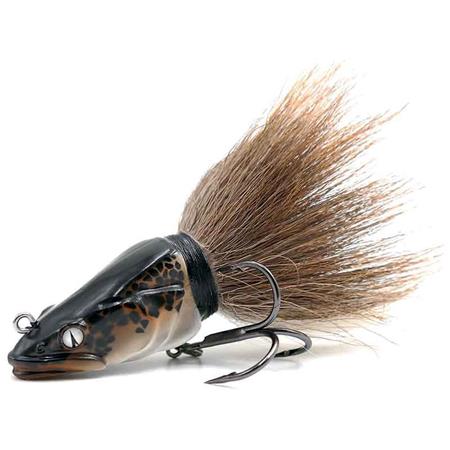
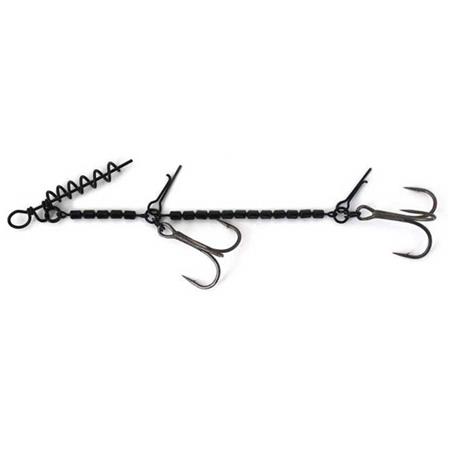
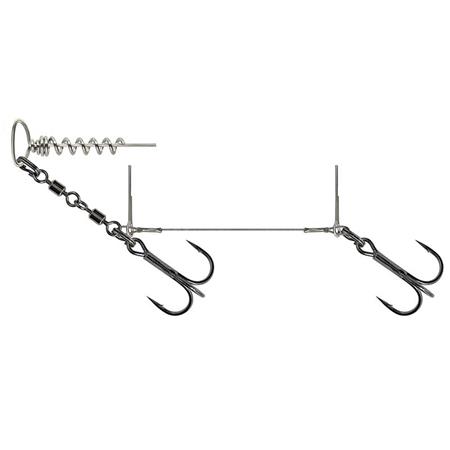
Sleeve pliers are primarily used for predator fishing rigs, for making wire or titanium hooklengths for pike fishing with lures or deadbaits. They are also used for catfish fishing, where fluorocarbon over one millimetre thick cannot be knotted properly, and for sea fishing, for big-game hooklengths or heavy-duty surfcasting rigs.