Models & specificitiesDescriptiveReviewsA questionBesoin de formation
Models & specificities
Back to menu
Reference
Price inc VAT
Pack.
Color
Swimming depth (m)
Hook
Length (cm)
Weight (g)
Lure action
Hook numbers
Price inc VAT
16672
16672
£18.57
£11.99Until 02/11/2026 included
per unit
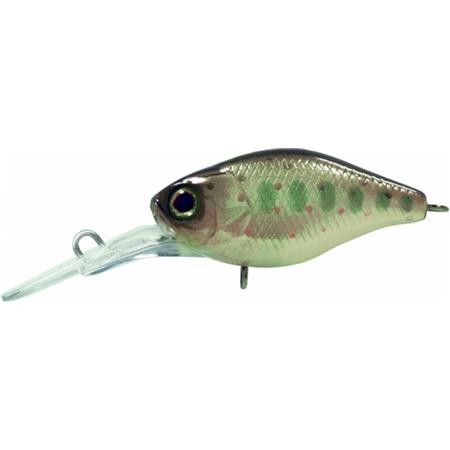
Chartreuse Back Yamame
1
No. 14
5
6.2
Sinking
2
£18.57
£11.99Until 02/11/2026 included
16673
16673
£18.57
£11.99Until 02/11/2026 included
per unit
Pink Pearl Yamame
1
No. 14
5
6.2
Sinking
2
£18.57
£11.99Until 02/11/2026 included
Models & specificitiesDescriptiveReviewsA questionBesoin de formation
Descriptive
Back to menu
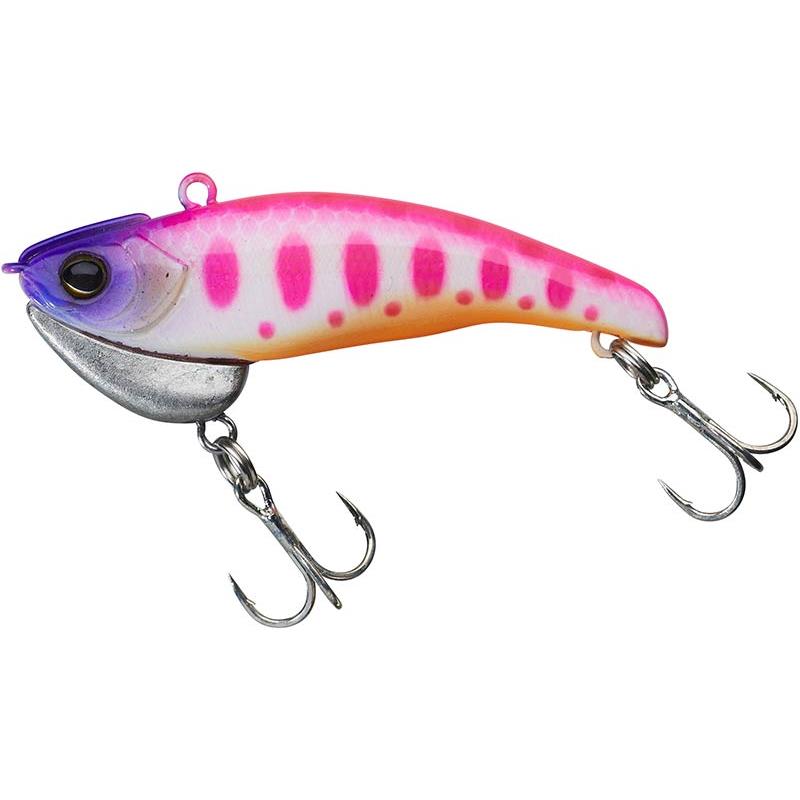
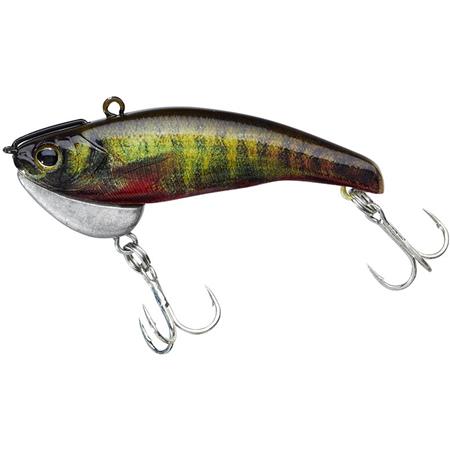
The TRICOROLL VIB revolutionizes salmonid fishing in medium and large waters (medium and large rivers, reservoir or mountain lakes, major rivers, estuaries...). Its characteristics, combining significant density with excellent hydrodynamics, allow the TRICOROLL VIB both to be cast long distances and to cut through the water quickly to reach the bottom; two capabilities essential on wide and deep biotopes, guaranteeing perfect line control for ¾ upstream fishing and allowing the bottom to be dragged when necessary. Moreover, like any lipless crankbait, the TRICOROLL VIB excels on so‑called pulling retrieves and on deep, fast fishing when it comes to effectively prospecting large volumes of water (to locate fish in lakes and to flush out large trout in the deep pools of rivers). Effective on a simple linear retrieve, the TRICOROLL VIB wonderfully tolerates animations such as Twitching, Jerking and Squimming. Available in two sizes, the TRICOROLL VIB is a lure with an innovative design (external weight « eco-friendly » in Bismuth-Tin) that upends the codes of trout lure fishing. A new weapon of choice with formidable versatility for targeting brown trout, rainbow trout, cristivomer, sea trout and other salmonids of the European hydrographic network. Finally, as with many trout lures, its qualities make it an essential ally for asp fishing, whatever the type of habitat. Fish from the Meuse, the Moselle or the Rhine feeding on gobies on the bottom, or also in the Loire when at the end of the season asps come to feed on small prey on the substrate.