Among all the
feeder gear, a
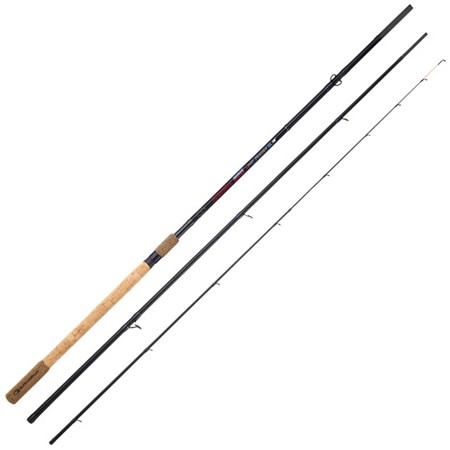
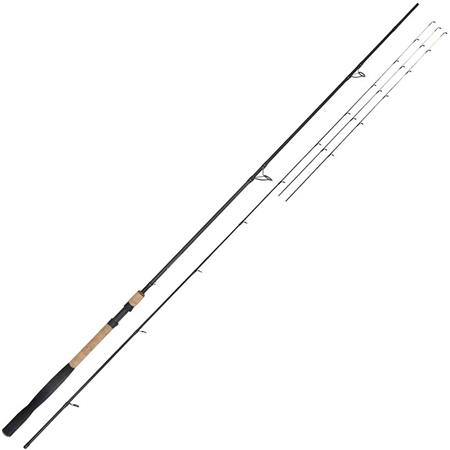
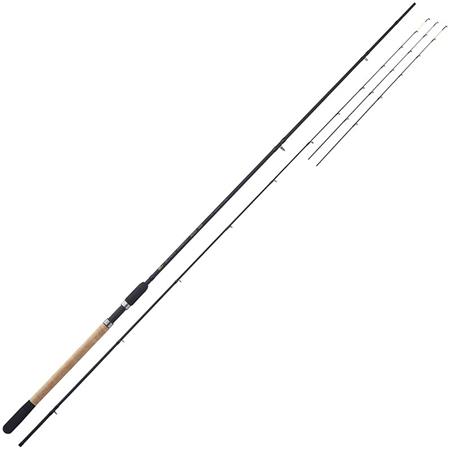
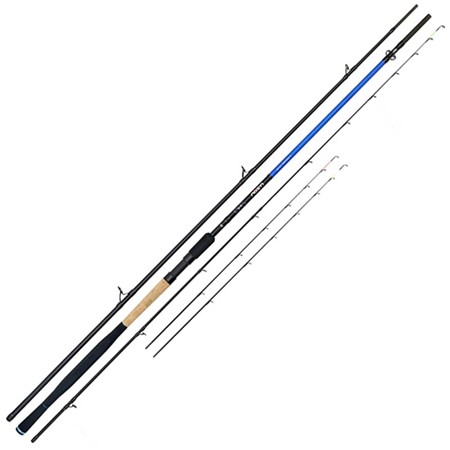
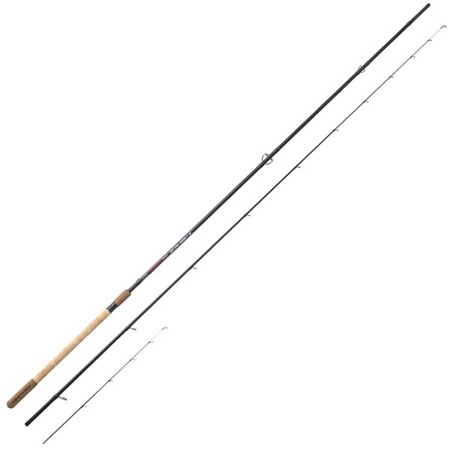
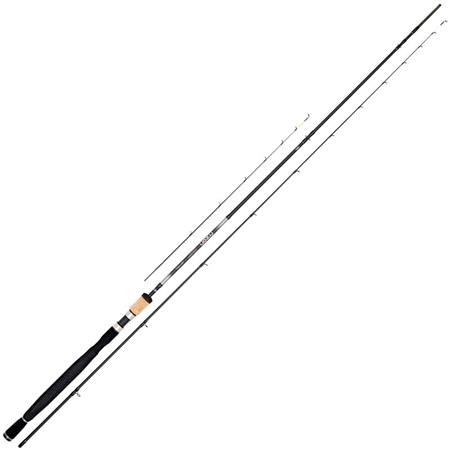
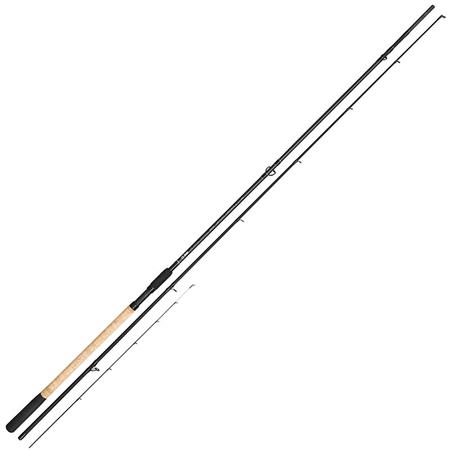
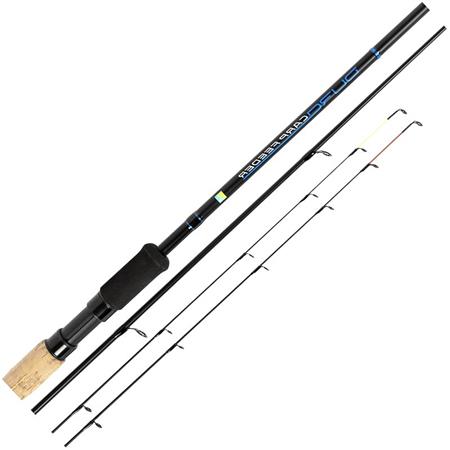
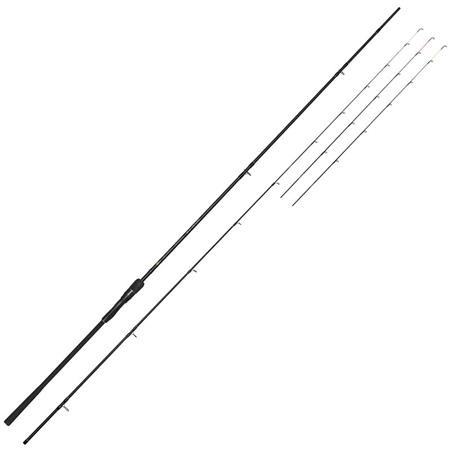
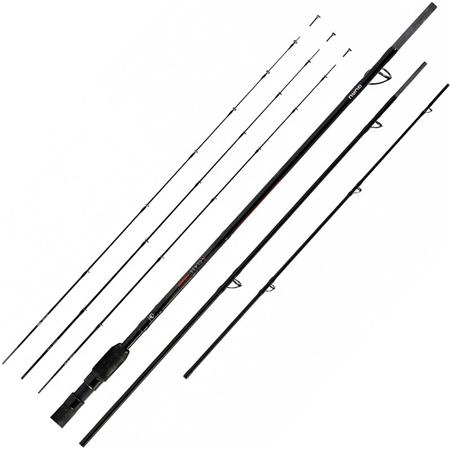
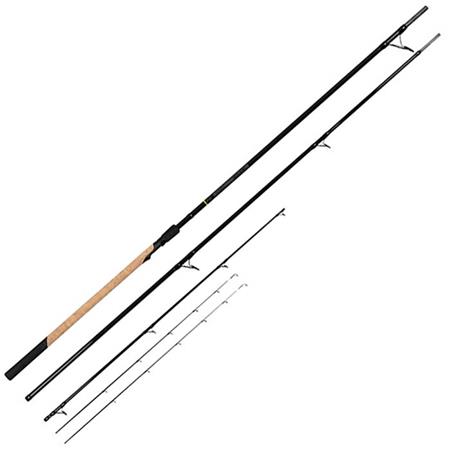
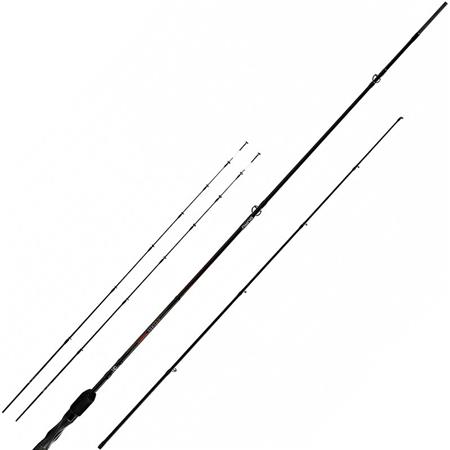
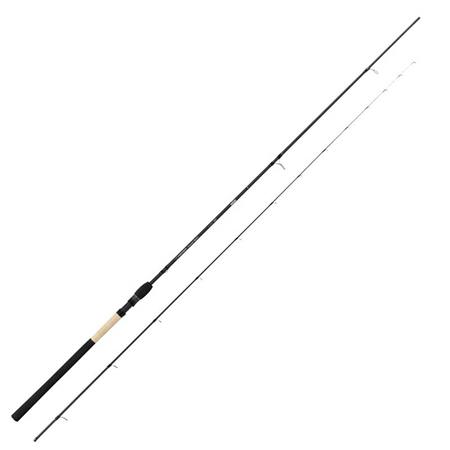
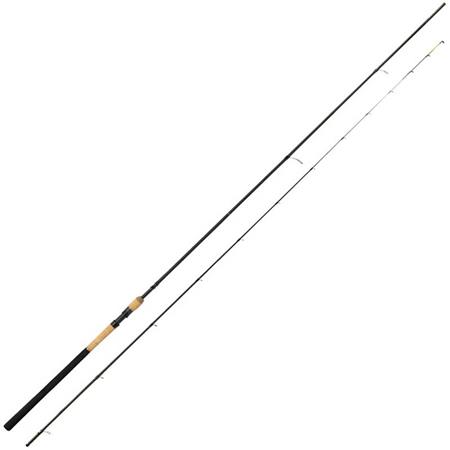
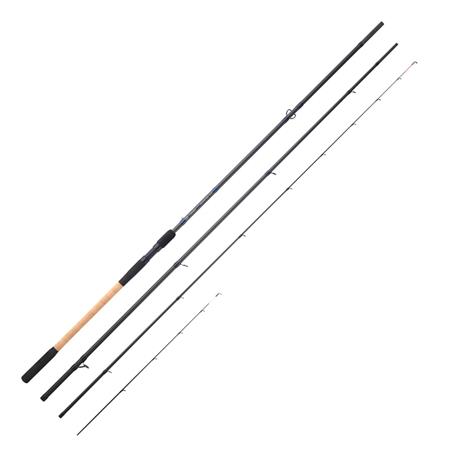
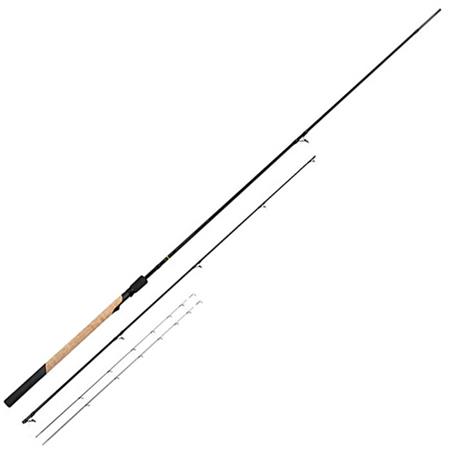
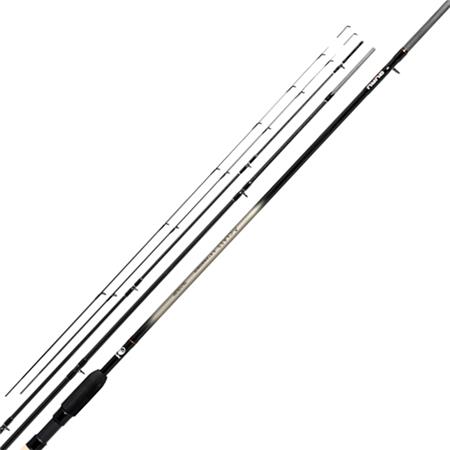
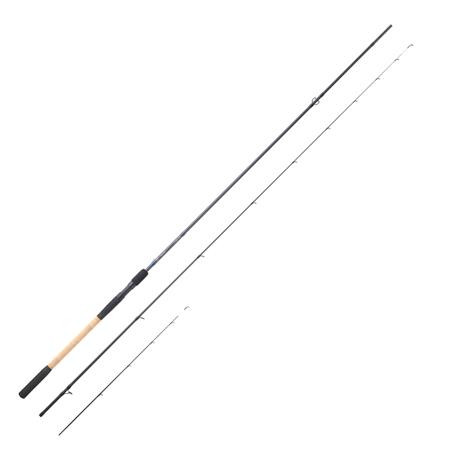
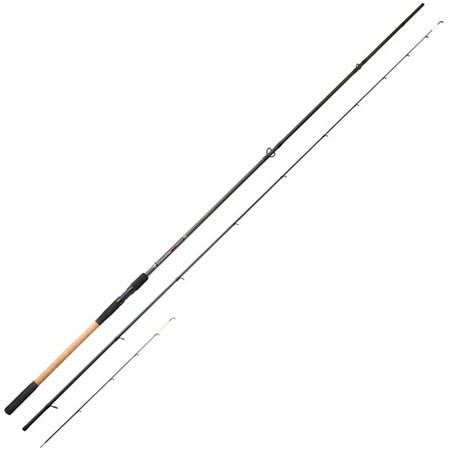
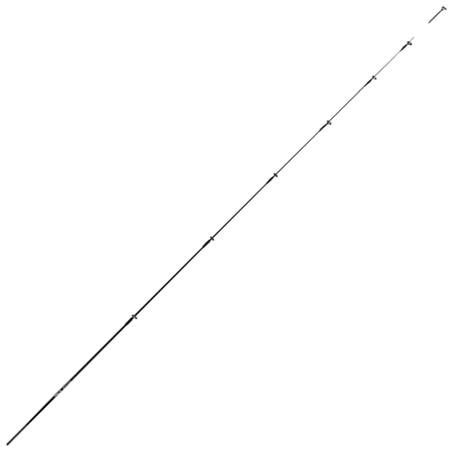
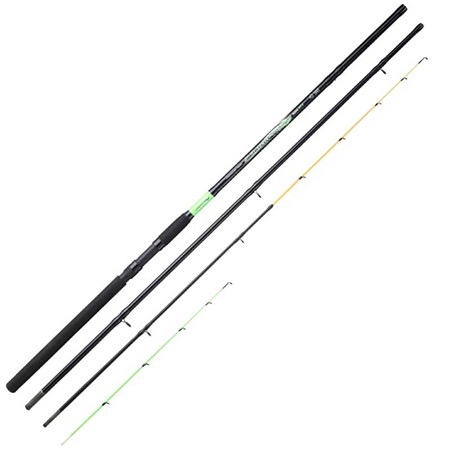
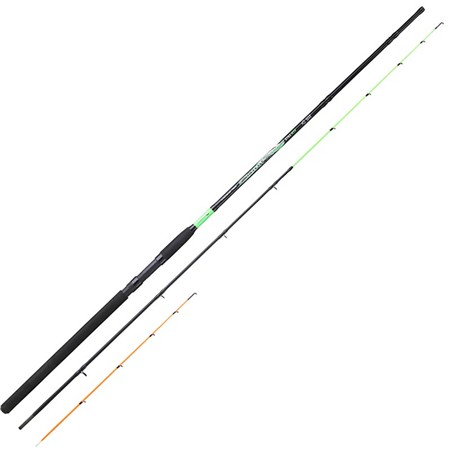
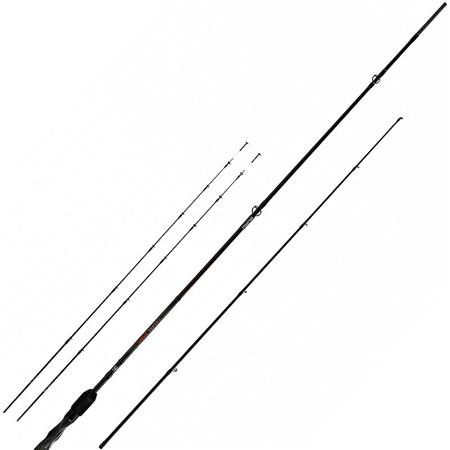
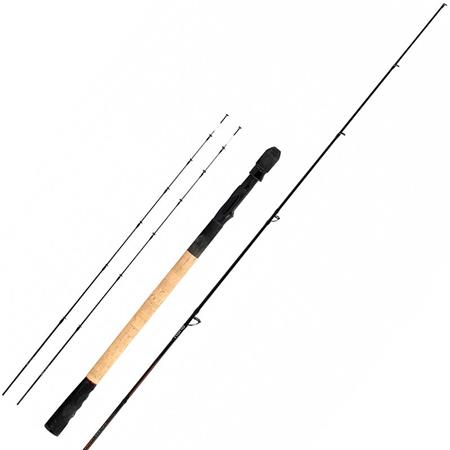
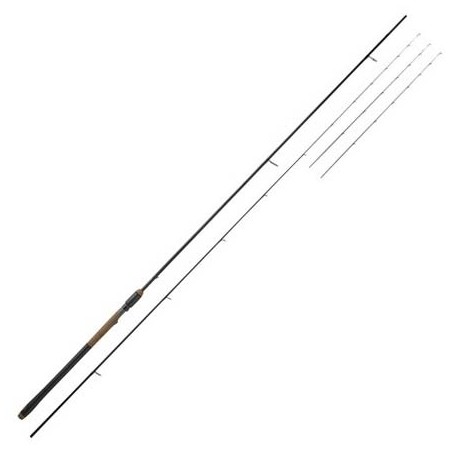
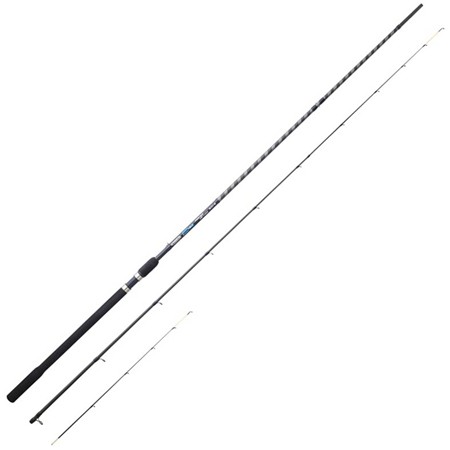
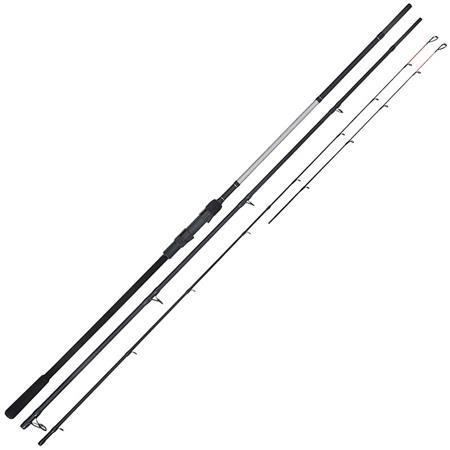
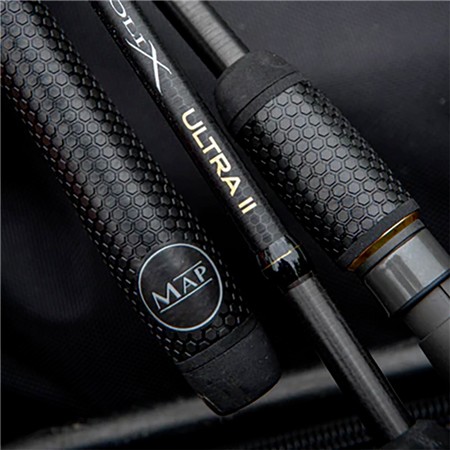
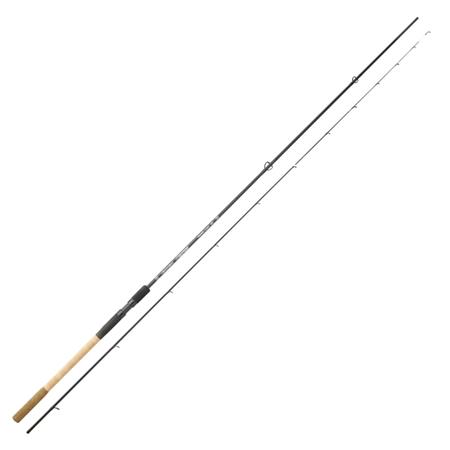
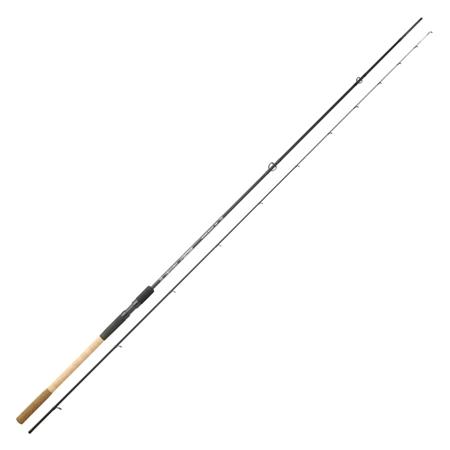
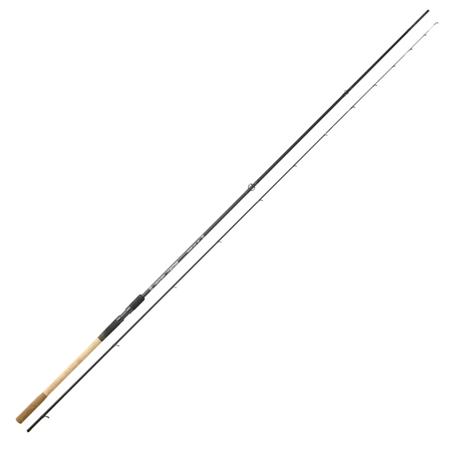
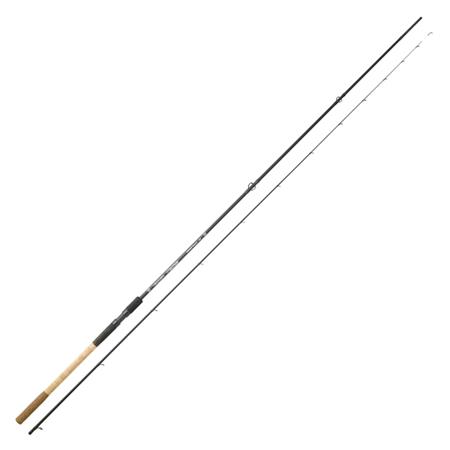
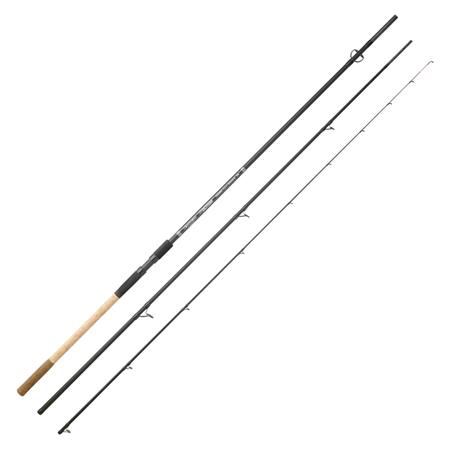
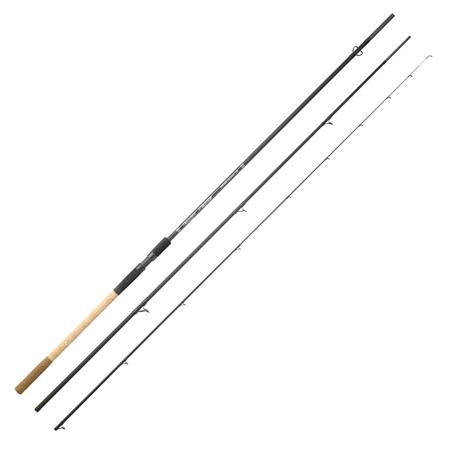
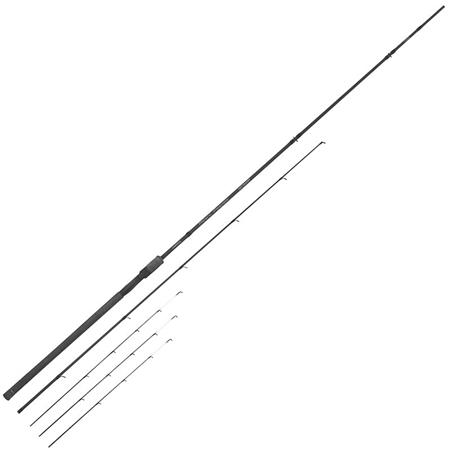
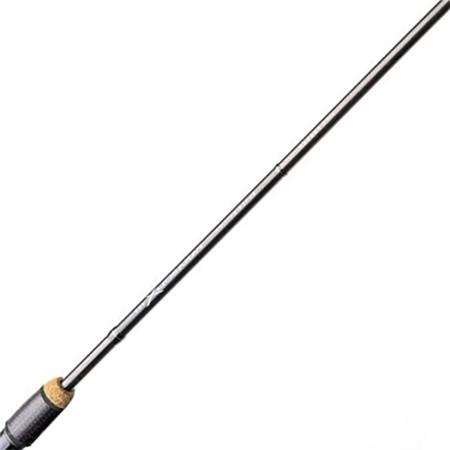
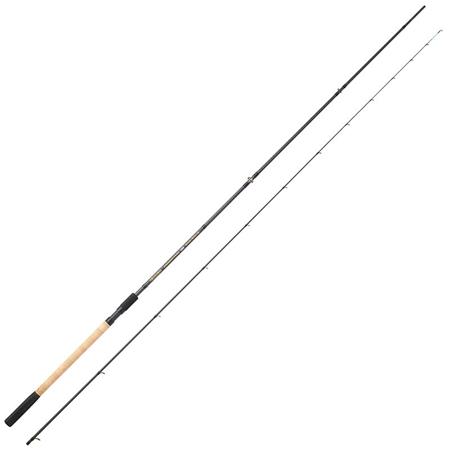
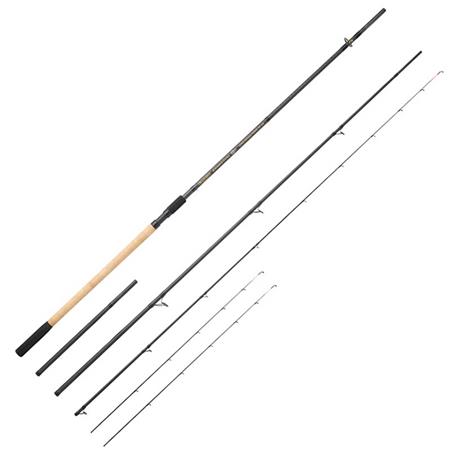
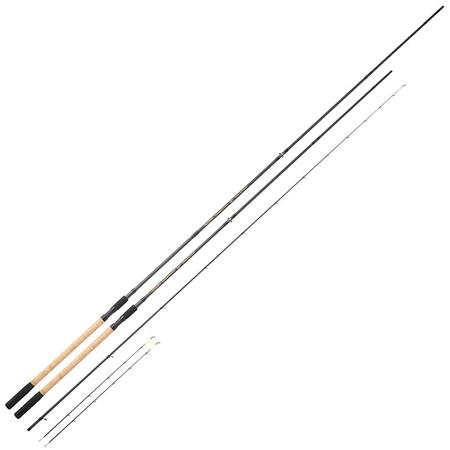
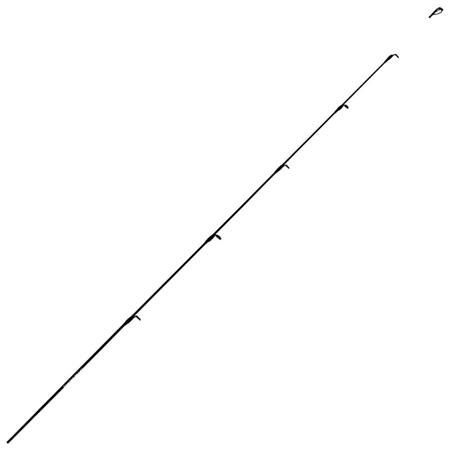
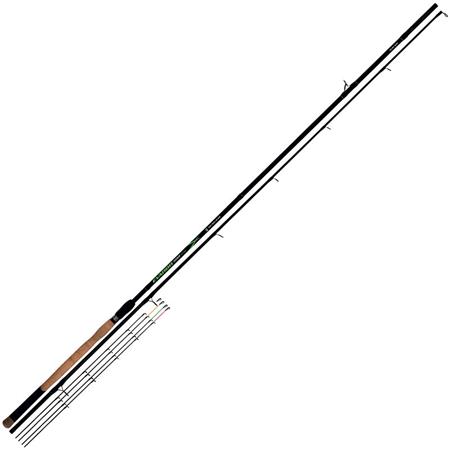
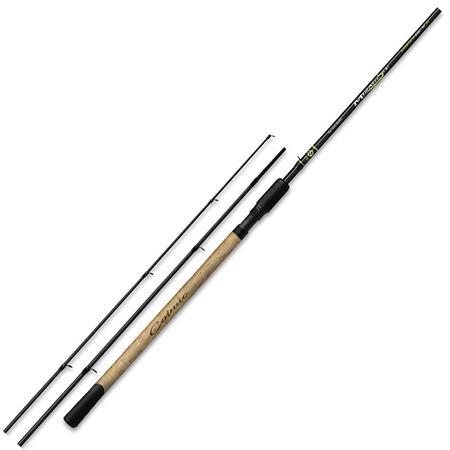
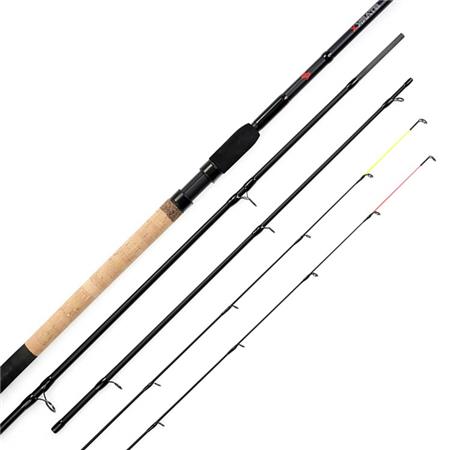
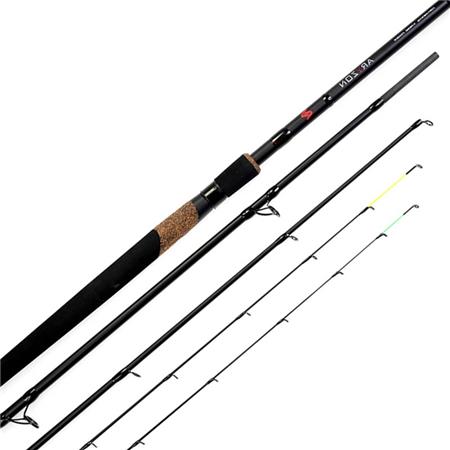
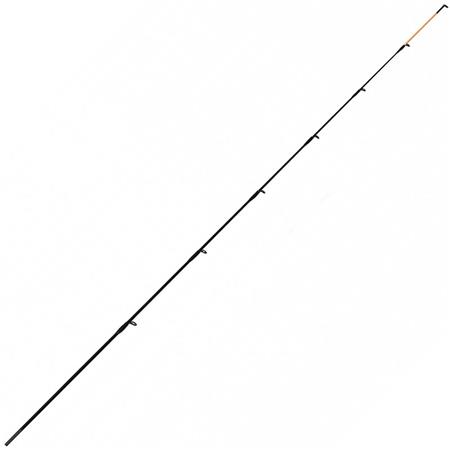
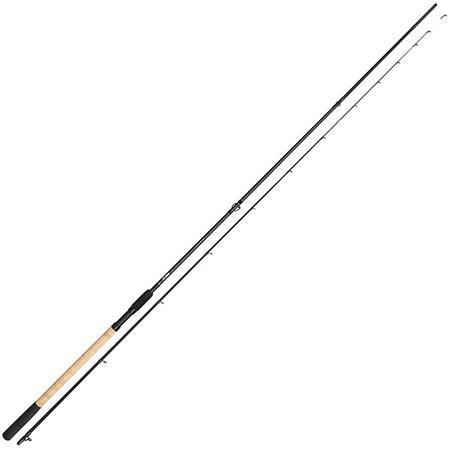
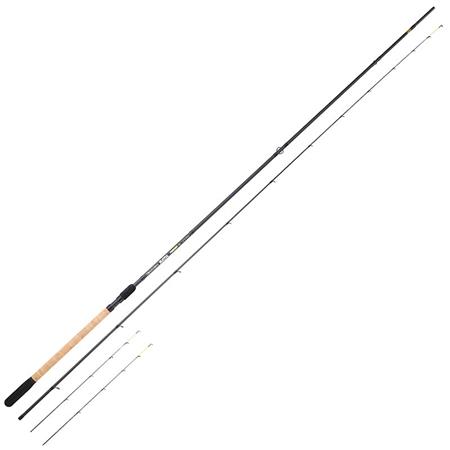
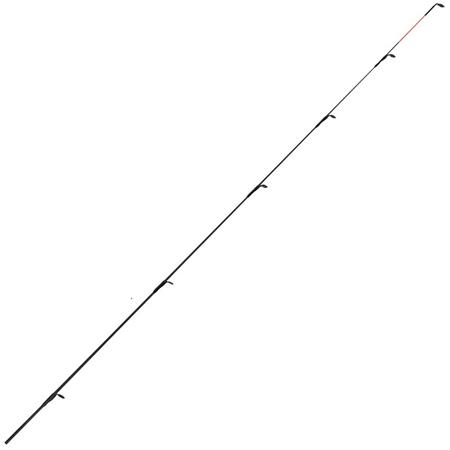
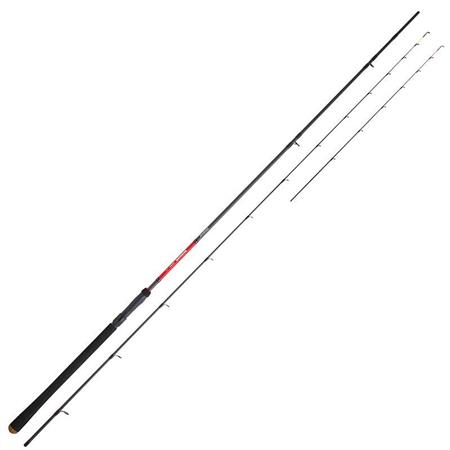
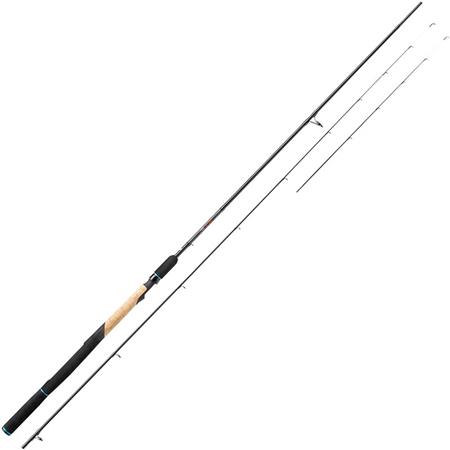
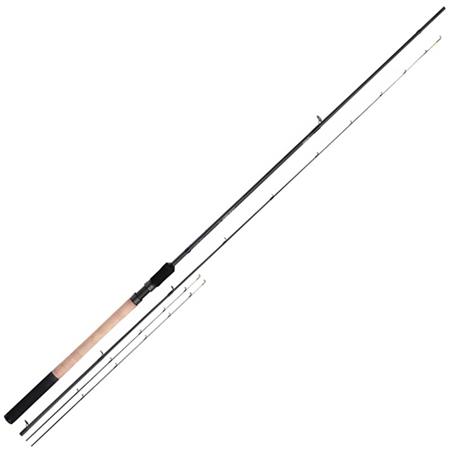
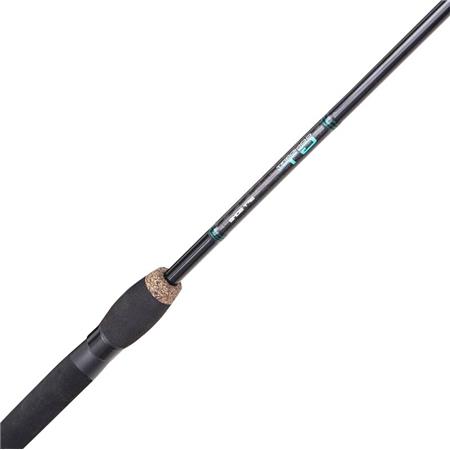
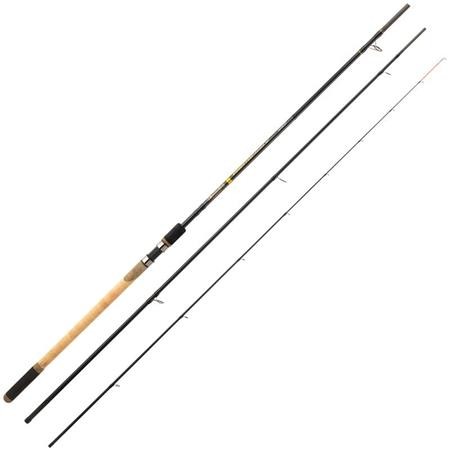
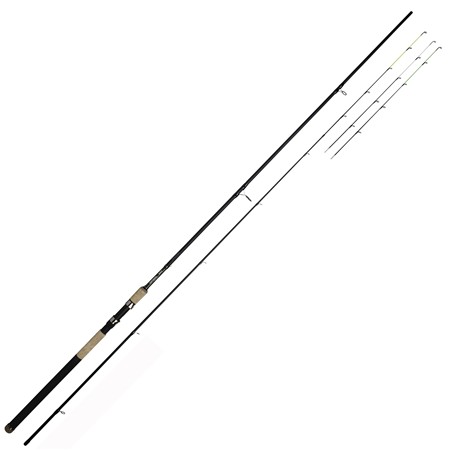
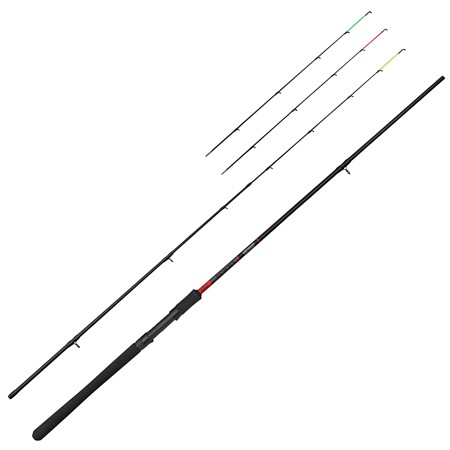
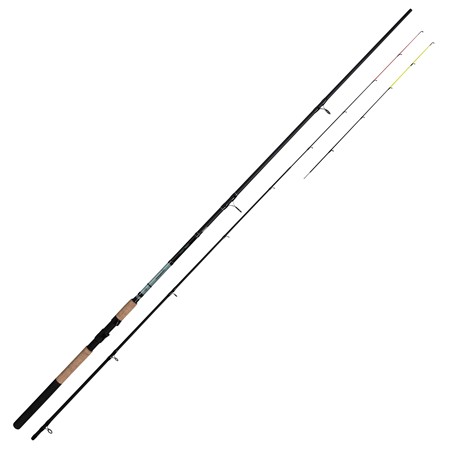
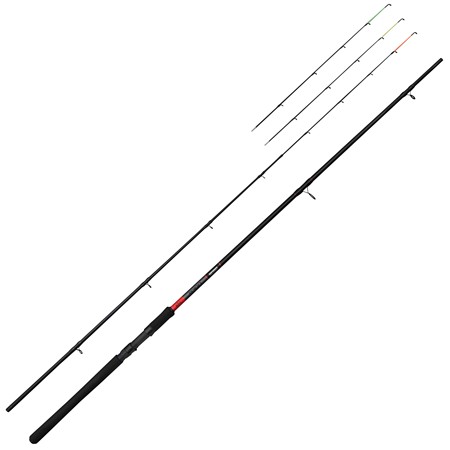
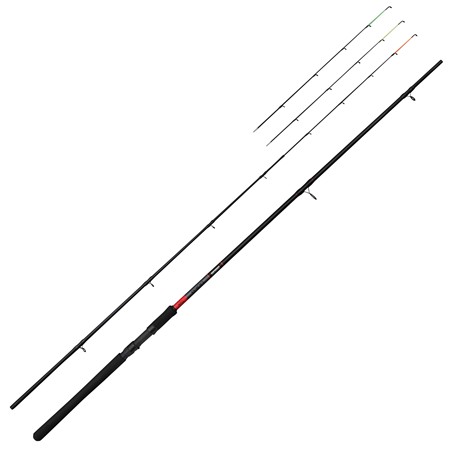
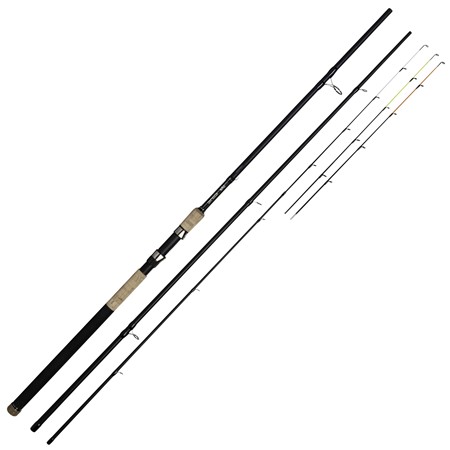
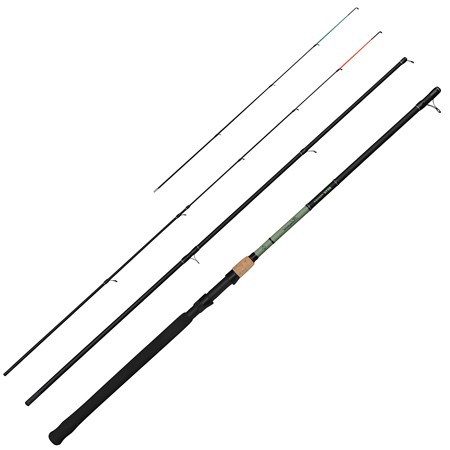
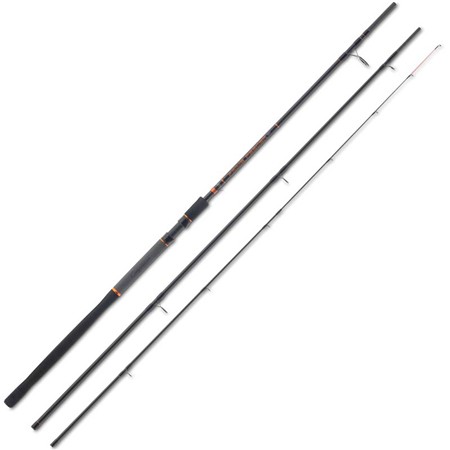
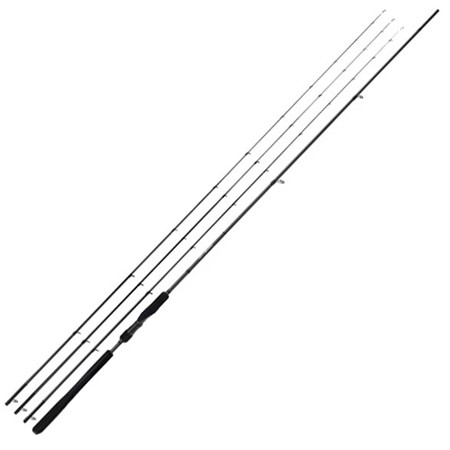
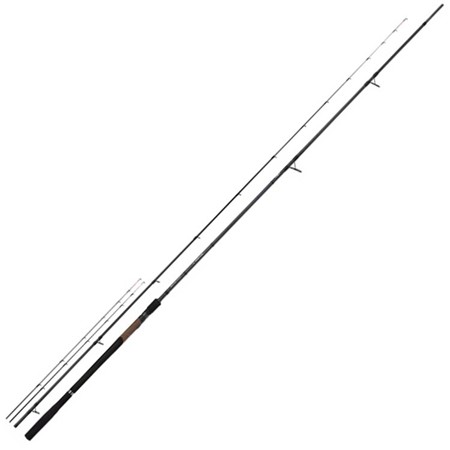
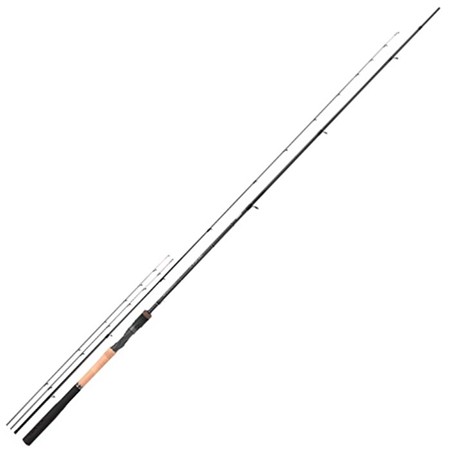
feeder rod is a very specific rod that will offer qualities suited to this technique. It is notably the tip that makes it special — it is very thin and interchangeable, and colored to visually indicate a bite; this tip can also be called a
quiver tip.
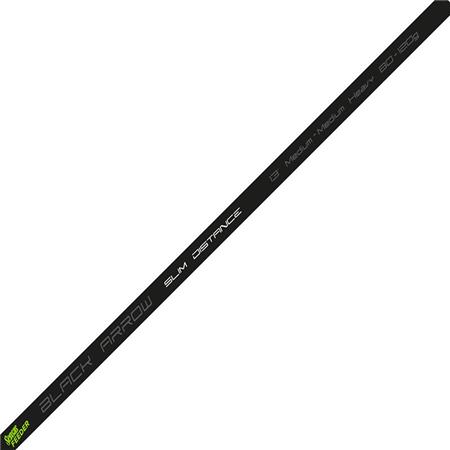
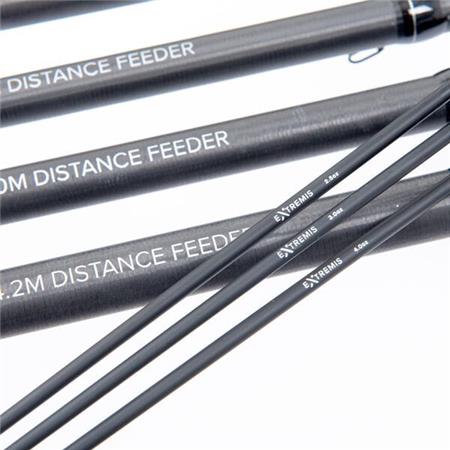
It should be noted that the power of the tip simply indicates sensitivity to bites, with no relation to the actual power of the rod, which can range from 10 to over 200 g for some special river rods. The power of tips themselves is indicated in
OZ, an English unit equal to 28 g, so a ½ oz tip will be more sensitive than a 1 oz or 2 oz tip. Likewise, the material of the tip will matter — glass fiber is a bit less reactive than carbon, but naturally more sensitive to false bites. In general, a tip from any brand will fit your rod as long as the base diameter is identical — a good tip to know for completing your collection of tips.
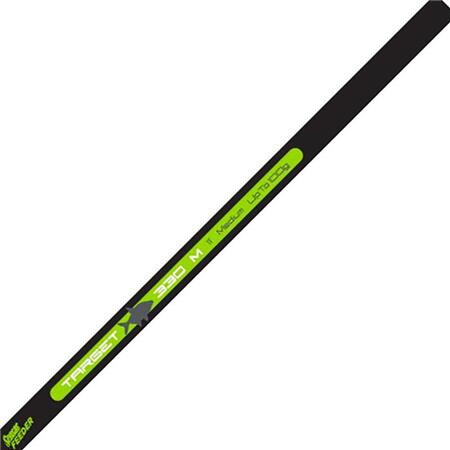
The power of the rods will tell you which empty feeder (without groundbait) you should use — and consequently the recommended distance. A rod of 20/40 grams will be aimed at short distance fishing — about 50 m max — while a rod of 100 g or more will be made for long distance — over about 80 m.
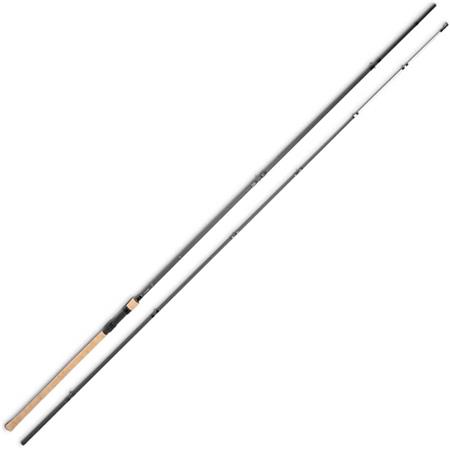
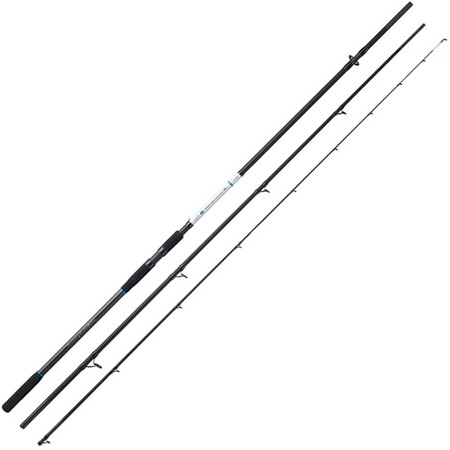
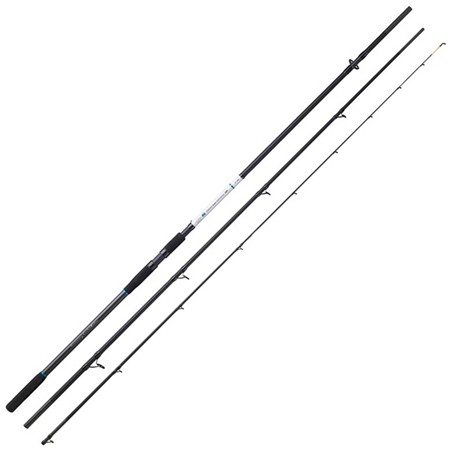
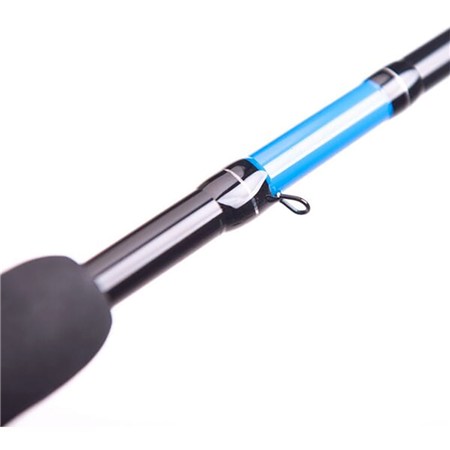
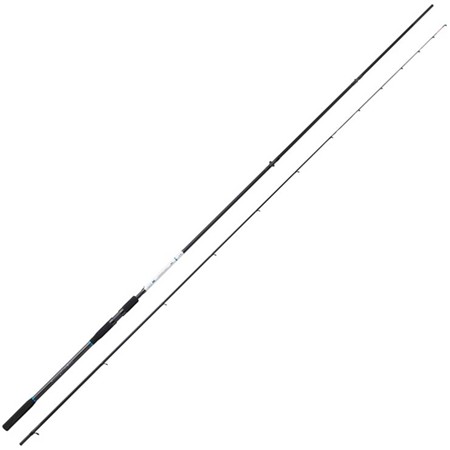
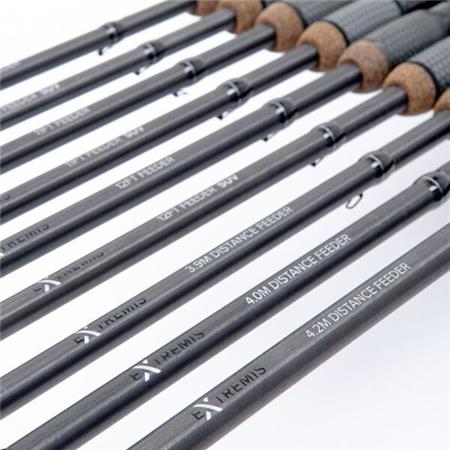
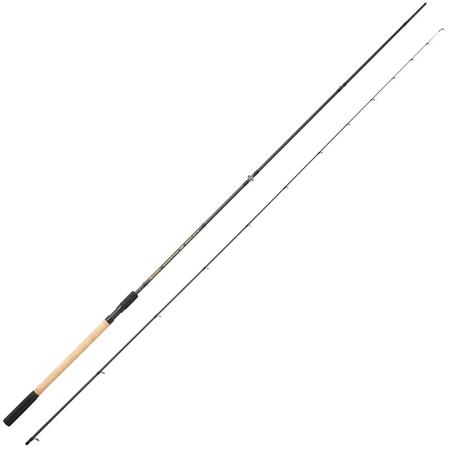
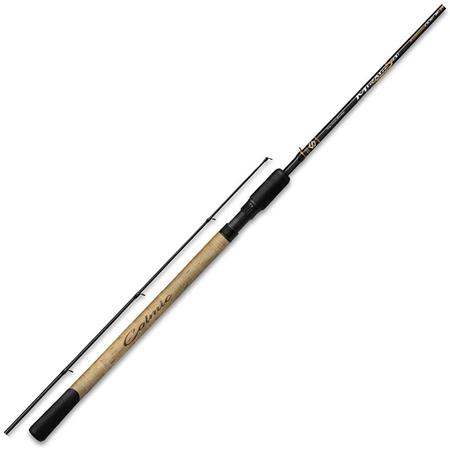
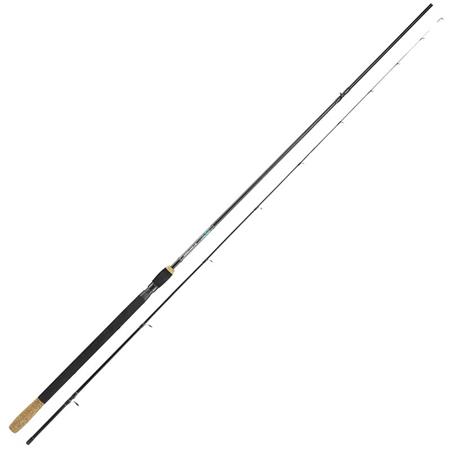
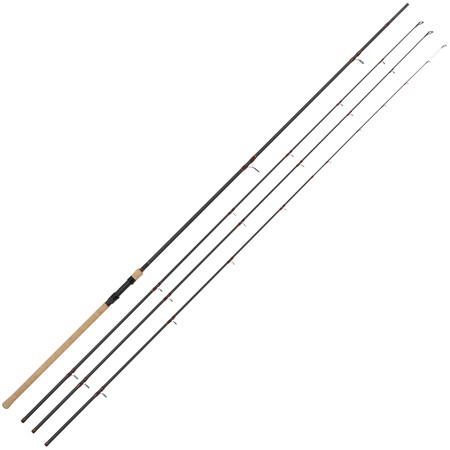
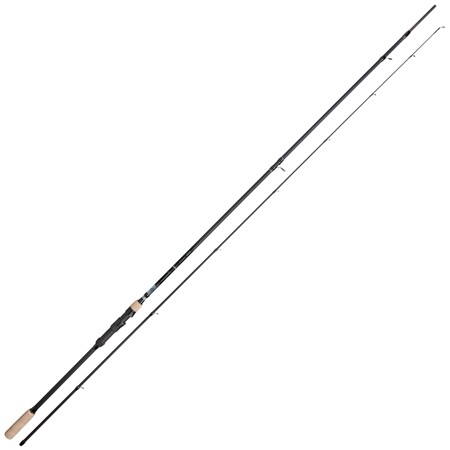
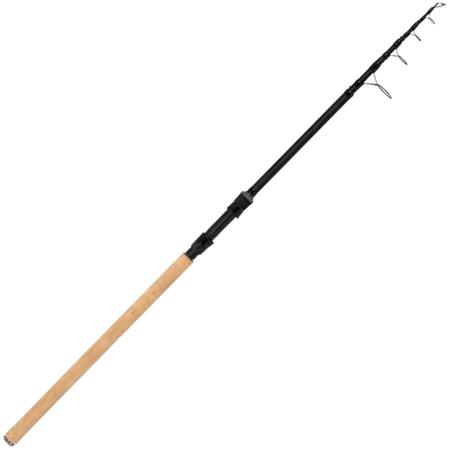
A feeder rod is generally in 3 pieces for controlled packing size, except some short rods that can be in 2 pieces. To start in a pond, a rod of 3 to 3.60 m is suitable; don’t overlook short rods if you have no obstacles in front of you — they are very manageable and pleasant. In rivers, rods of 3.60 to 4.50 m are preferred to avoid the current as much as possible.
As for brands, the most sought‑after models are the
feeder rods Guru, the
feeder rods Garbolino, or the
feeder rods Matrix. Don’t forget to pair it with a good
feeder reel and fill it with
feeder nylon.